Caroline Sakwa

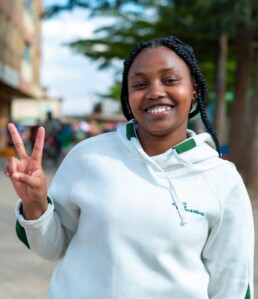
Carol serves as the Head of Gender and Inclusion at SHOFCO, where she leads campaigns and community engagement to shift harmful norms and strengthen safety and dignity for women and girls.
This year taught me something powerful: that gender work and mental health work are really the same fight.
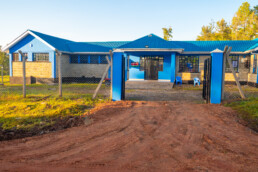
When we opened the Vihiga Sexual and Gender-Based Violence Recovery Centre with the county government and partners like UNDP and NGAAF, I watched survivors walk into that space carrying not just physical wounds, but invisible ones too.
For years, survivors in western Kenya had to travel far for psychosocial support—many gave up before they could even report. Now, with this centre in Wodanga Ward, Sabatia Sub-County, they can find shelter, counseling, medical care, legal support, and hope in one place.
But what moved me most wasn’t the opening of the doors. This moment was a symbol for us. It meant our systems between private, NGO, and government, which SHOFCO has been working tirelessly to strengthen, are starting to see survivors as whole people, not just victims of violence. Healing is about safety, yes, but it is also about about restoring voice, confidence, and dignity. It is being done in a way that ensures sustainability for the future: in partnership with the government.
From Crisis to Care
Just a week after the launch, we marked World Mental Health Day with SHOFCO staff and partners in Kisumu. I stood in a room full of people wearing shirts that said, “Put on a brave face. Talk about it.”
For years, silence has been our greatest enemy. Survivors don’t speak because they fear blame. Ingrained cultures reinforce this. Youth don’t open up because they fear judgment from peers and elders. Teachers don’t ask because they were never trained to listen.
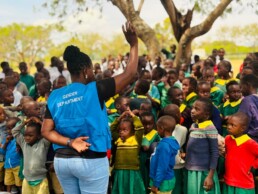
Over the past three years, SHOFCO’s Community Mental Health Ambassadors have been changing that. They’ve reached into schools, churches, youth groups, and even on boda boda stages, where groups of motorbike drivers congregate to discuss issues and collectively set agendas, to help people name their struggles and to remind them that seeking help is strength. Things really landed this year and I am so proud of that.
One of our educators in Kibera said
“Integrating mental health into our schools isn’t just about coping—it’s about raising stronger, more compassionate generations.”
That’s exactly what we’re doing: turning conversations into culture. A new culture defined by the majority.
Healing Both Sides of the Equation
As a gender practitioner, the work used to be very response driven —rescuing survivors, seeking justice, helping them rebuild. But truly understanding our work requires that we – both you and me – see prevention differently.
When a young man learns emotional resilience, that’s prevention.
When a teacher learns to spot trauma early, that’s prevention.
When a survivor receives therapy and not just treatment, that’s justice.
My team is learning that to end gender-based violence, we must also address what drives it—the untreated pain, the silence, the isolation. All things that poverty can exacerbate.
That’s why this year mattered so much. The Vihiga centre represents protection; our mental health programs represent prevention. Together, they form one ecosystem of care—healing both the wound and the root.
What this changes in practice
- Survivors in Vihiga now access a complete care pathway under one roof: clinical care, PEP or emergency contraception when indicated, psychosocial counseling, OB number documentation, and legal referral.
- Early arrivals are fast‑tracked so survivors get time‑sensitive care and immediate counseling support.
- Schools and community hubs in Sabatia Sub‑County are linked into the referral pathway, so disclosures made in classrooms, by youth groups, or at churches reach the center quickly.
- Community leaders are being trained to recognize harm, make safe referrals, and support mediation agreements that keep girls learning when appropriate, while serious harm proceeds to justice.
Prevention to response, not either/or: The center provides protection, while mental health integration in schools, churches, and youth spaces builds resilience and reduces stigma—healing both the wound and the root.
Looking Ahead
Next year, as we expand mental health integration through SHOFCO’s schools and community centres, we will be keeping this connection alive. Empowerment isn’t just about safety. True health and equity is about wholeness.
And when survivors can heal, communities can grow. That’s what hope looks like, in real life.