Kenya’s youth landscape is a barometer of the nation’s health.
- Political instability disrupts civic participation.
- Rising cost of living suppresses capital uptake and entrepreneurship
- Limited job pathways signal gaps in skills, digital access and market readiness
These indicators reveal where policy, investment and community leadership must join hands.
Against this backdrop, in 2025, SHOFCO saw some of its most significant progress in advancing youth-led and authored policy change and collective action.
From our leadership

Kennedy Odede
Chief Executive Officer
Grassroots power. I have never seen it shine brighter than in 2025 for Kenya’s youth. It has grown far beyond any one of us. I love that moment when young people realise they can solve their own problems by coming together, neighbor to neighbor, and recognising that they are the resource.
This year, our movement reached 2.5 million through our priority areas – Community Organizing, Gender Equality, Health and Wellbeing, Economic Empowerment and Community Resilience. Our advocacy platform, the SHOFCO Urban Network (SUN) with more than 2 million members, including 1.2 million youth, directly changed policies that shape their daily lives. More than 91,000 young people found dignified work at a time when youth unemployment in Kenya has risen to 67%. In rural Kenya, we have scaled locally founded climate solutions such as water pans and equipped 100,000 farmers with drought-resilient seeds. Our urban water system is set to become the first licensed water company serving an informal settlement in Kenya, expanding access to more than 100,000 households.
That is history in the making. What moves me most is that this impact is rising organically from the ground up. It is driven by millions of people who believe that change begins when neighbors stand side by side.
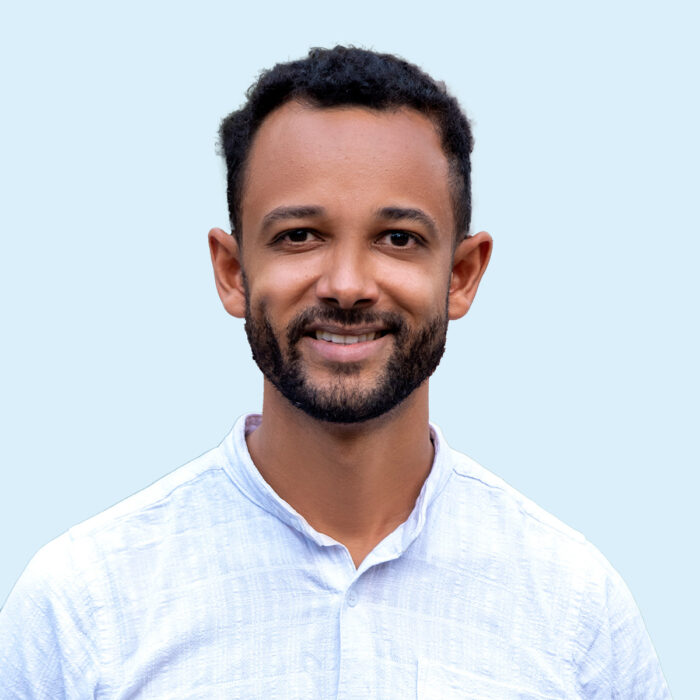
Mark Laichena
Chief Program and Strategy Officer
In 2025, our focus has been on building systems of care that combine safety, dignity, and hope across Kenya’s most marginalized urban, peri-urban, and rural communities. Through the Youth Agenda 2025, we helped bring mental health into Kenya’s Universal Health Coverage. That progress matters because mental health support helps keep girls in school and when girls are safe, healthy, and learning, entire communities rise. When communities rise together, peace follows. Our work on peace and reconciliation happens through SUN, where our members stand together across ethnic, political, and geographic lines to protect women and girls, strengthen climate resilience, and respond to the challenges of our time.
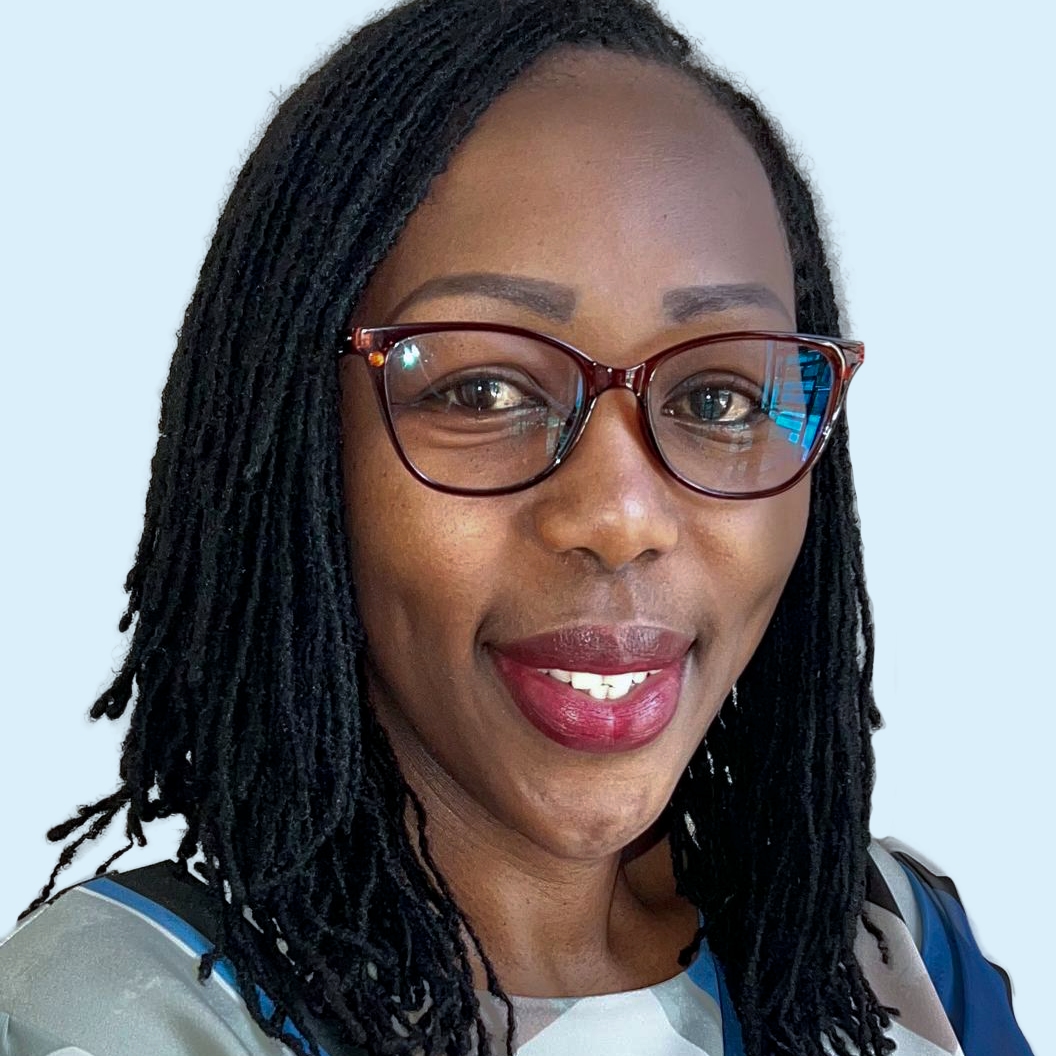
Angela Ng'etich
Director: Gender, Education, WASH
What excited me most about 2025 is seeing the shift in both what we deliver and how communities and government are beginning to own this work. We’re no longer just responding to gender-based violence; we’re changing how Kenya talks about it, prevents it, and protects survivors. We’ve built real partnerships with counties, trained community leaders to stand on the frontlines, and created pathways that keep girls safe and in school. This is the kind of change that lasts, and it’s just the beginning.

John Odero
Head of SHOFCO Urban Network (SUN)
Many people ask how and when we will scale further. The truth is, it is already happening through our community. Local leaders are opening new SUN sites and leading efforts that extend our reach on their own. What’s exciting is that we now support more than 80 community-based organizations working to reduce unemployment, gender-based violence, and waste, and to strengthen climate adaptation. We know too well that local organizations can deliver programs more cost-effectively than international groups. It simply makes sense to invest in leaders who are already trusted within their communities. That is what the next chapter of SHOFCO’s story is all about.
Impact Overview
2.5 Million Lives Touched Across Kenya
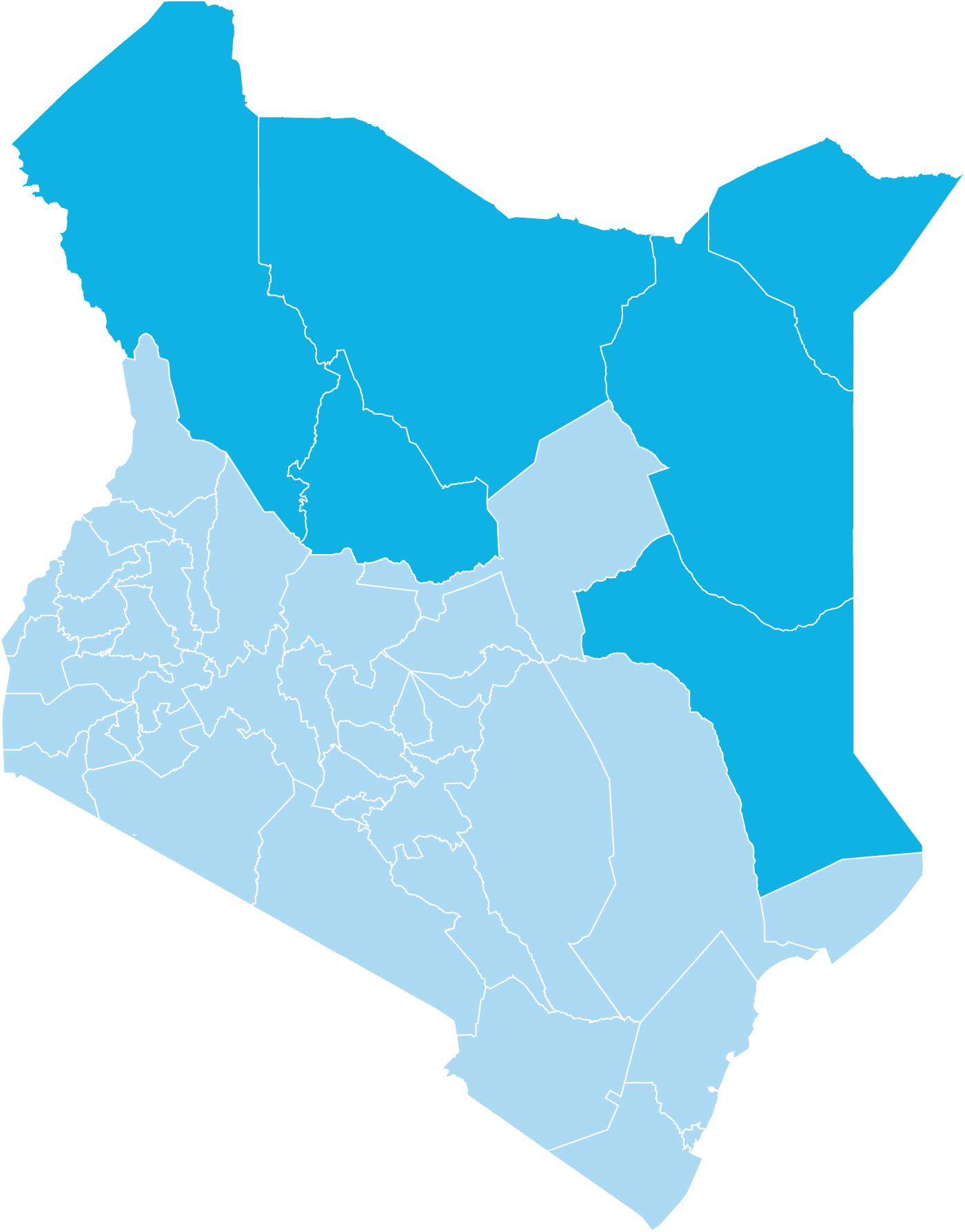
Our programs reached communities in 75% of Kenyan counties, unleashing the power, dignity, and hope of communities in informal settlements and underserved rural areas.
1.5 million
young people reached through youth voice forums.
91,022
verified youth in work; 63% female, 3% refugees, and 41% young mothers.
6,504
girls supported with scholarships to return to school, making SHOFCO the largest non-government provider in Kenya
470,105
household members reached through community health services.
12,000
mental health ambassadors trained to provide frontline support.
26,749
GBV cases handled with psychosocial and legal support.
Priority Highlights
What It Looked Like on the Ground
In 2025, we made bold moves across our five core priority areas.
Community Organizing
Building grassroots power and policy influence from the ground up.
6
Digital spaces can build trust.
Young people were struggling to attend our in-person mental health sessions due to stigma, distance, or cost. To close that gap, we launched virtual peer-led sessions every Saturday, co-facilitated by youth ambassadors and technical experts. The sessions reached 9,000 young people across seven counties including Nairobi, Mombasa, and Kisumu, while 5,000 ambassadors joined reflection meetings in their communities to keep conversations going. Nearly half of all participants engaged directly by asking questions or sharing experiences online.
Lesson:
Openness creates connection. By combining digital access with peer leadership, SHOFCO is breaking stigma and ensuring that more young people can talk about mental health and find support when they need it.
Your Support Matters
Thank you for being part of our 2025 journey
Thank you for taking the time to learn about SHOFCO’s work in 2025. If you’d like to support what comes next in 2026, there are a few simple ways to get involved:
Champion
Help amplify our work. Share this report with your community or on social media and help more people see what’s possible.
Invite
Open doors. Connect us with people in your network who care about equity, community-led change, and long-term impact.
Invest
Giving monthly helps power both strategy and soul behind our work. Predictable generosity is sustained impact.